Designing Backfill for Thermal & Mechanical Requirements
Cable Rating & Ampacity Calculations
When you have limitations... Geotherm gives you options!
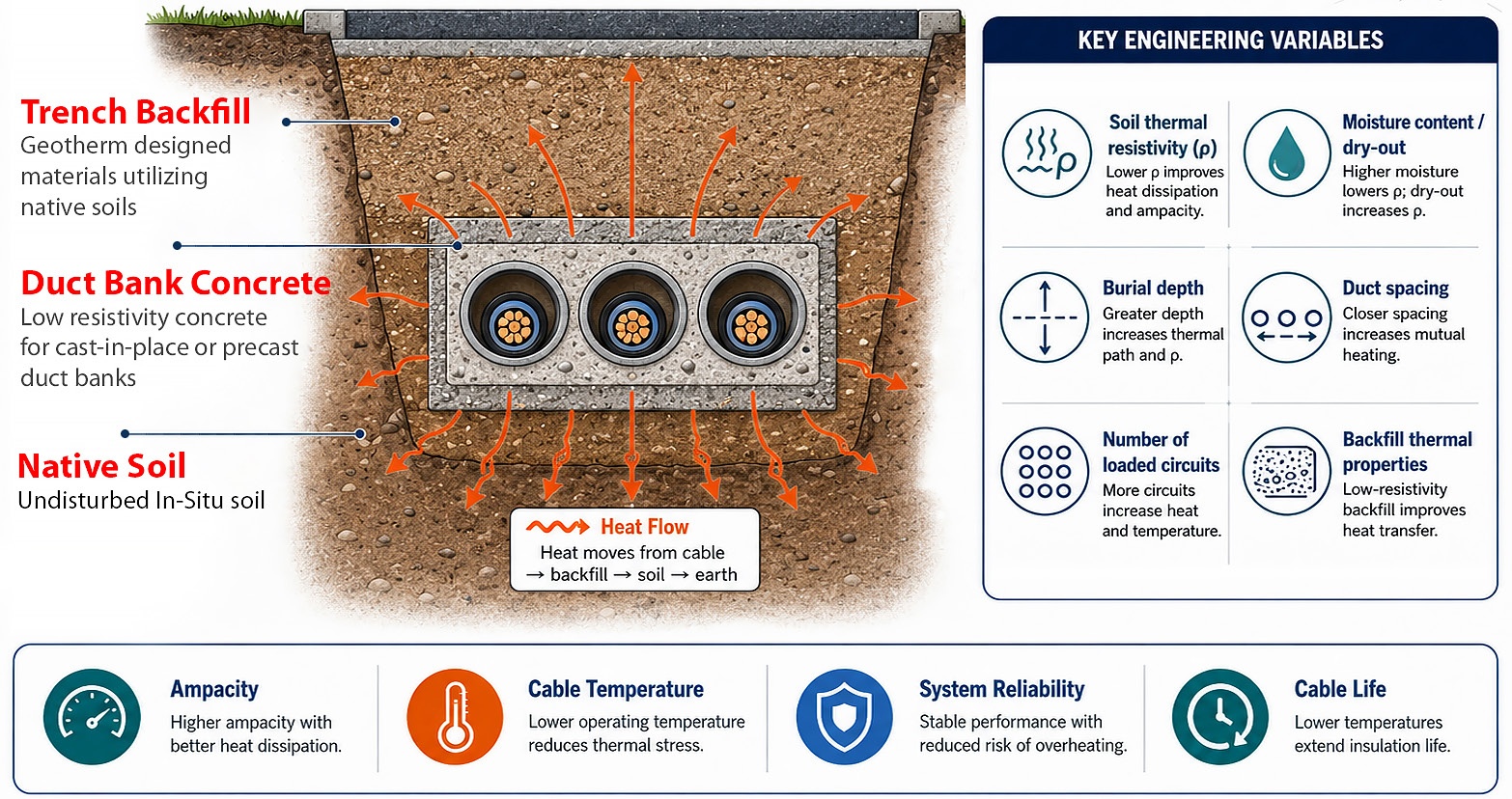
Geotherm works with your engineering team during the iterative design process to establish Rho (ρ) values and evaluate other design parameters in your ampacity program to optimize the design for cost, constructability and system longevity.
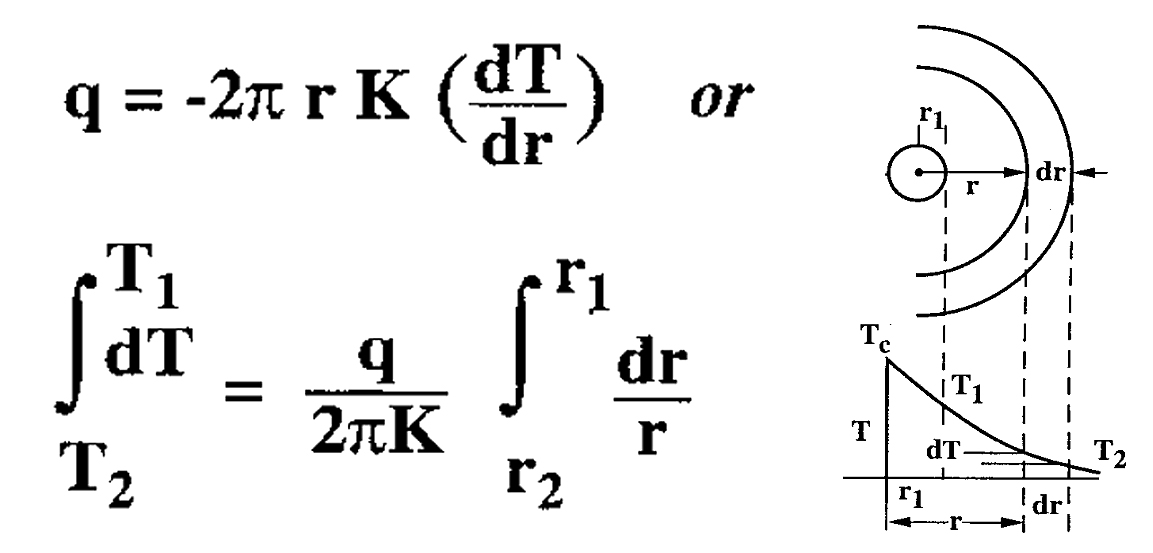
Steady-State Radial Heat Conduction
Thermal gradients in a radial field are inversely proportional to the distance from the heat source. Therefore, the thermal resistivity of soil/backfill adjacent to cables is crucial and must be taken into consideration.
What Makes a Backfill Thermally Superior?
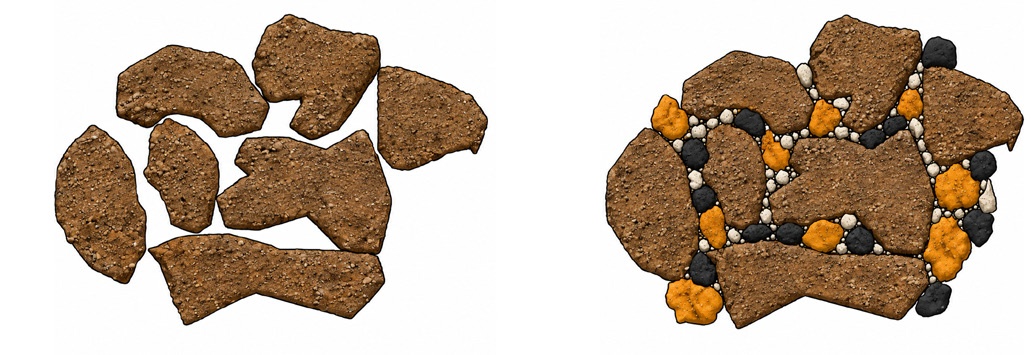
High Thermal Resistivity
Uniform size soil particles (i.e. low soil density) provide fewer contacts for heat conduction.
Low Thermal Resistivity
Variety of particle size reduces air spaces and provides many contacts for heat conduction.
Backfill Design Services
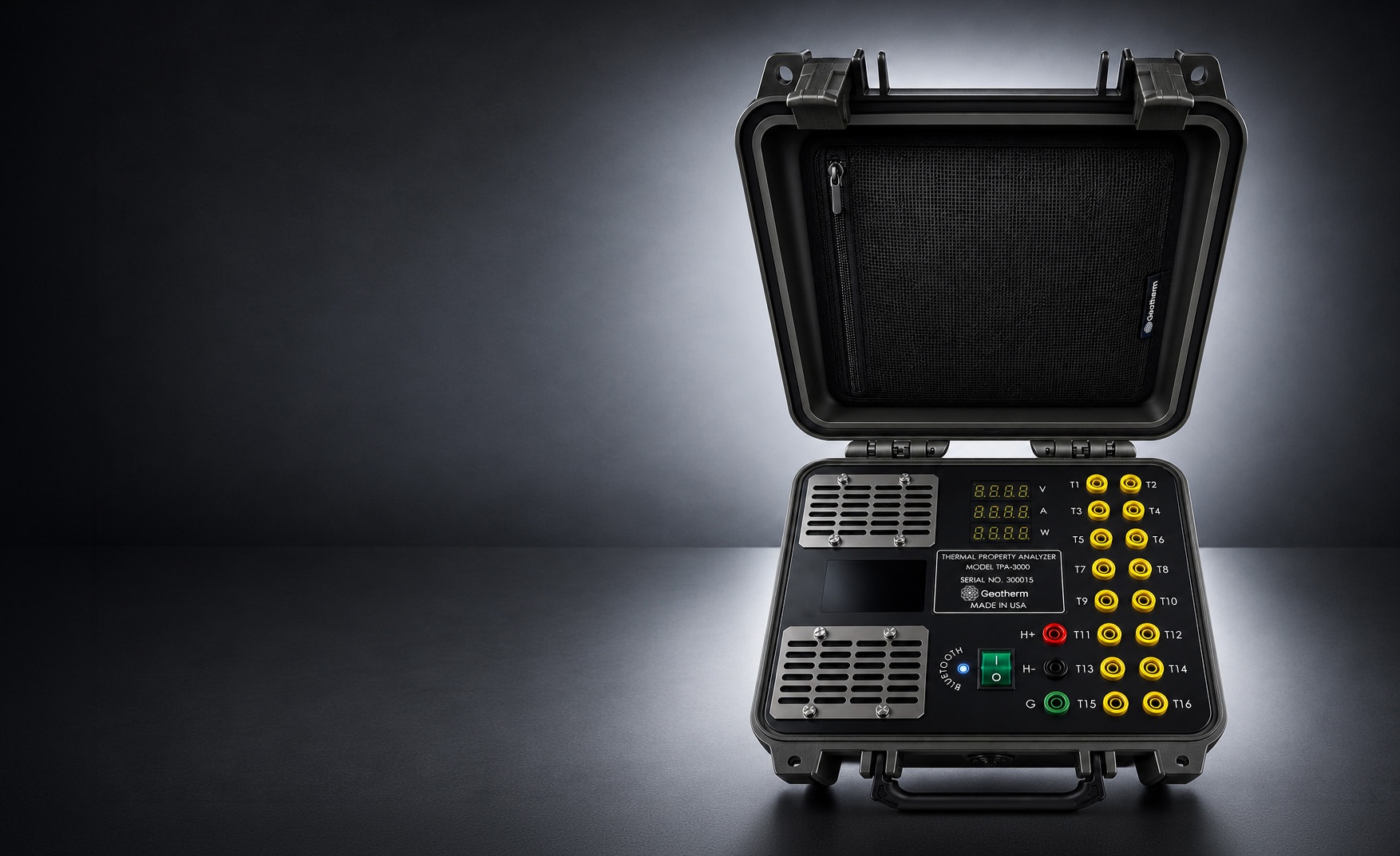
At our state-of-the-art facility, we perform bench scale testing to determine the optimal mix design for each component. Designs are created utilizing materials that are locally available to the project to minimize cost.
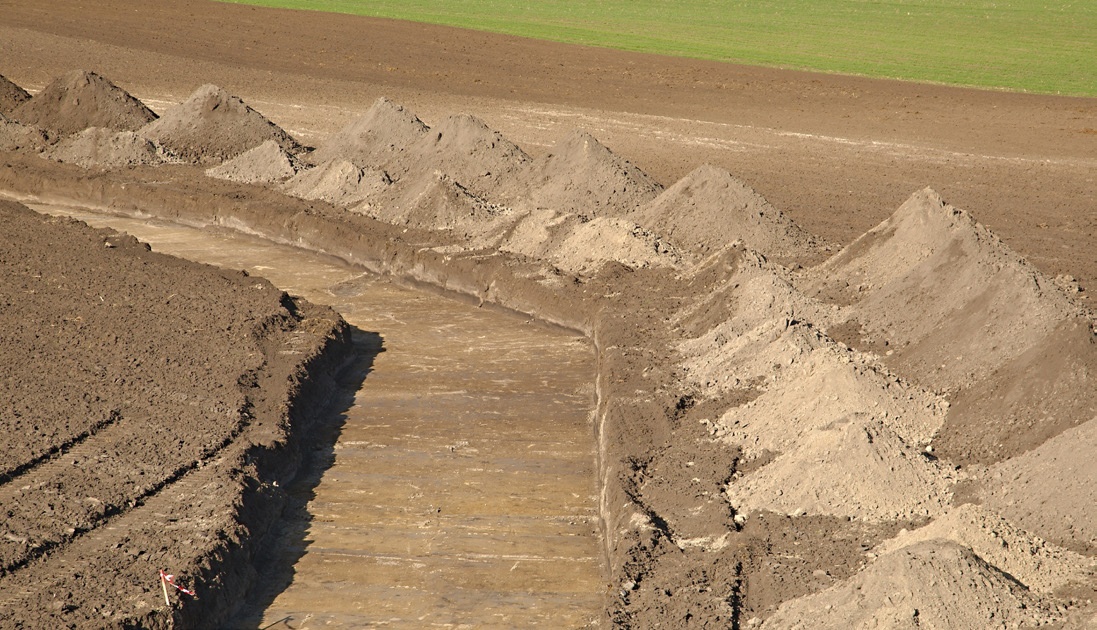
Trench Backfill with Native Soils
Trench backfilling with native soils involves returning the excavated dirt into the trench after utility installation. Mix designs and means and methods of placement are provided to optimize thermal properties.
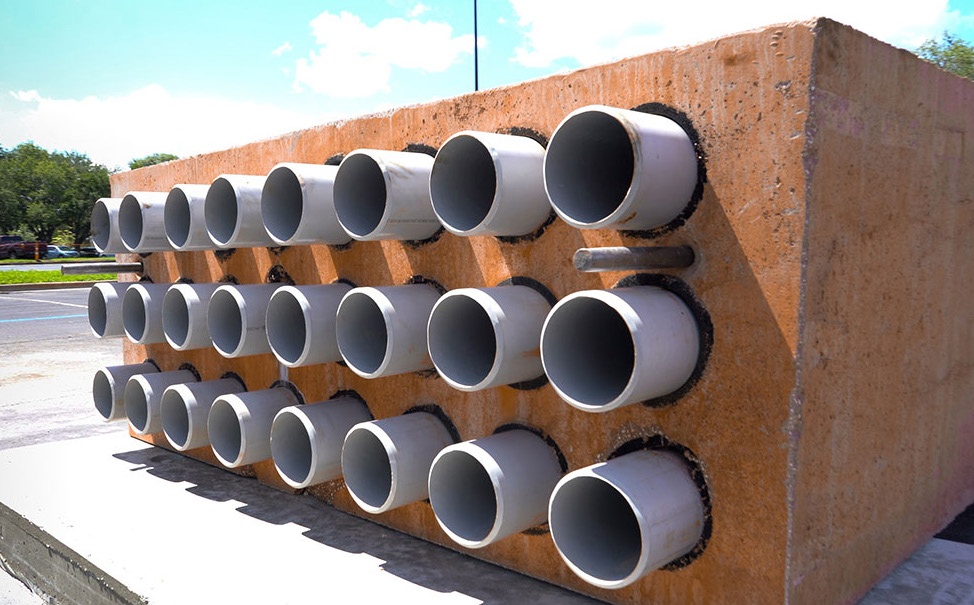
Duct Bank Concrete
Concrete encasement provides structural support, shielding from heavy loads, heat dissipation, and visual identification during future excavations. Designs for both cast-in-place and precast concrete.
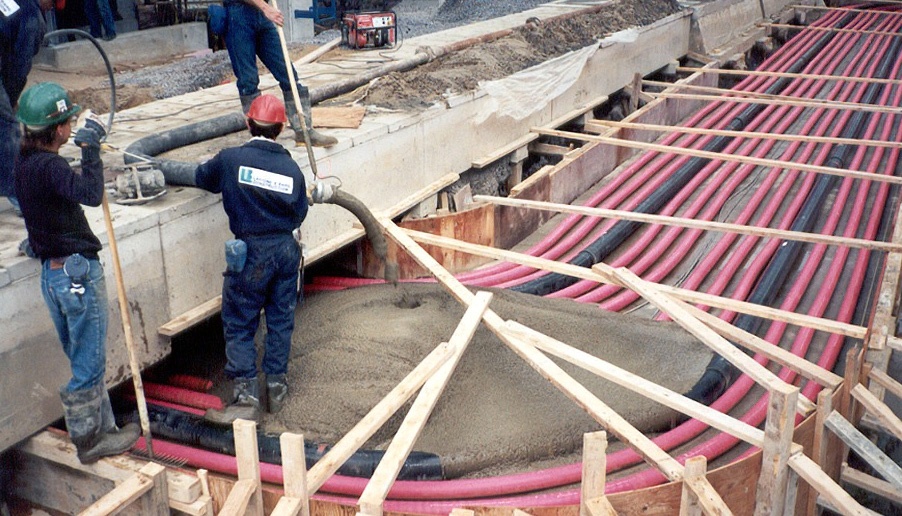
Fluidized Thermal Backfill™ (FTB)
An engineered, flowable slurry of aggregate, sand, cement, fly ash, and water that is often substantially more efficient than backfilling with native soils.
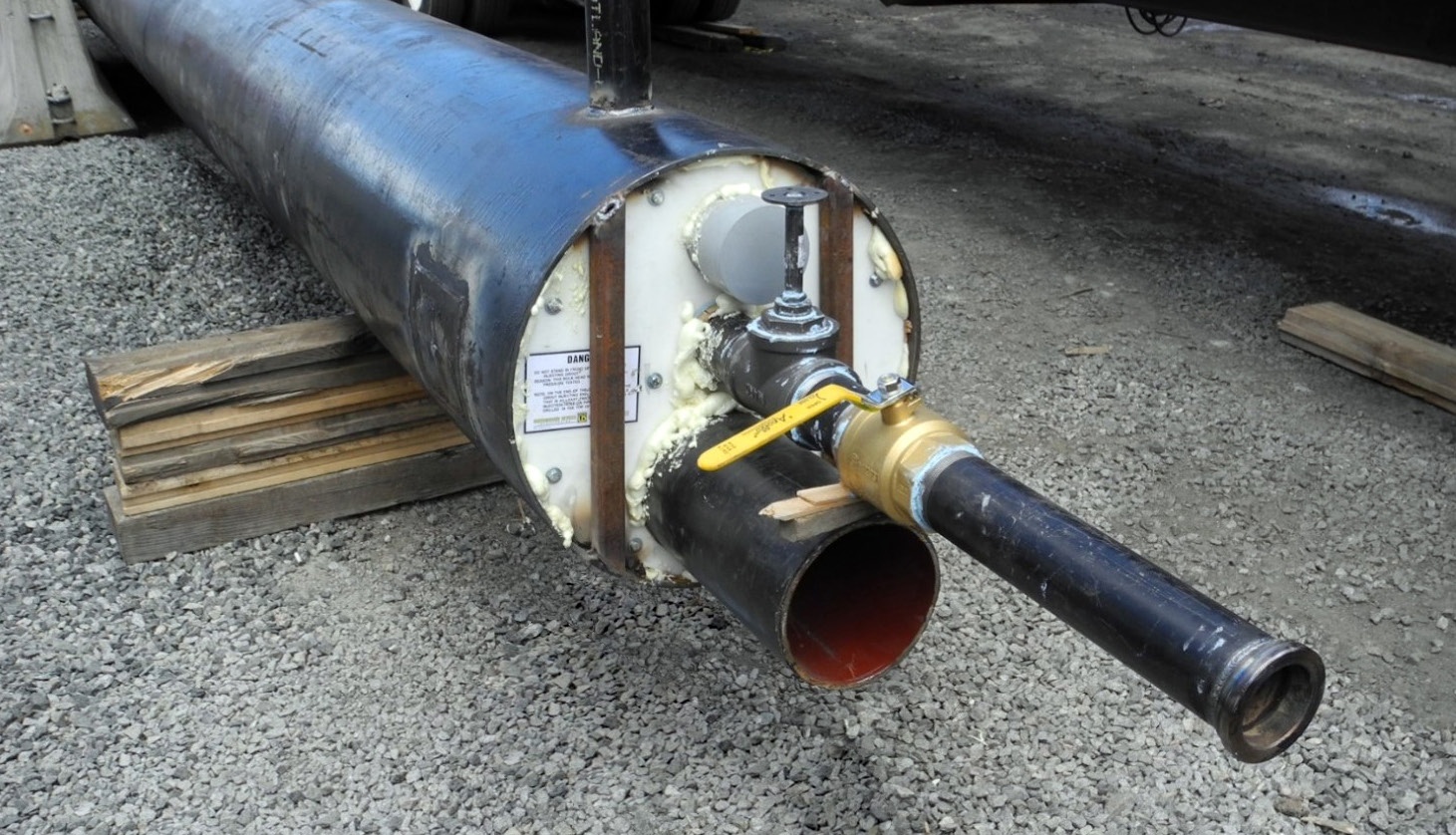
Thermal Grout
Thermal grouts are used to infill annular space between casing and conduits that carry electrical transmission cables, typically in jack & bore as well as horizontal drilling applications (HDD).
Thermal Resistivity Rho (ρ) Values can have a multi-million dollar impact on cost!
Quality Assurance / Quality Control (QA/QC)
Upgrading Existing Systems
Independent Verificationfor Critical Thermal Performance
Geotherm works collaboratively with manufacturers, contractors and project teams to verify material properties and field conditions-providing added confidence that the completed system will perform in accordance with the engineer's design.
Precast Duct Banks
Verification of the thermal properties of precast duct-bank concrete is an important step in confirming that the installed system meets the engineer's design parameters. Geotherm provides independent thermal-resistivity testing and documentation for precast concrete used in duct-bank systems. Our technicians can coordinate sample collection at the precast manufacturing facility, or representative samples from each duct-bank production run can be submitted directly to Geotherm's laboratory for testing.
Fluidized Thermal Backfill™ (FTB)
Field QA/QC and laboratory verification help confirm that the installed material will perform as assumed in the electrical design. Geotherm's field personnel can observe placement, coordinate and collect representative samples, document installation conditions and submit samples for thermal-resistivity testing at our laboratory. Samples may also be collected by the project team and shipped directly to Geotherm for independent verification.
Native Soil Backfill
When native soils are incorporated into the thermal design, their composition, density and moisture condition can significantly affect the performance of the underground electrical system. Native soil placed above and around duct banks or electrical conduits in accordance with Geotherm's mix design and installation recommendations should be verified throughout construction. Geotherm's field technicians can evaluate soil composition, moisture content and in-place density, and collect representative samples for thermal-resistivity testing.
Planning a Load Increase
or Underground System Change?
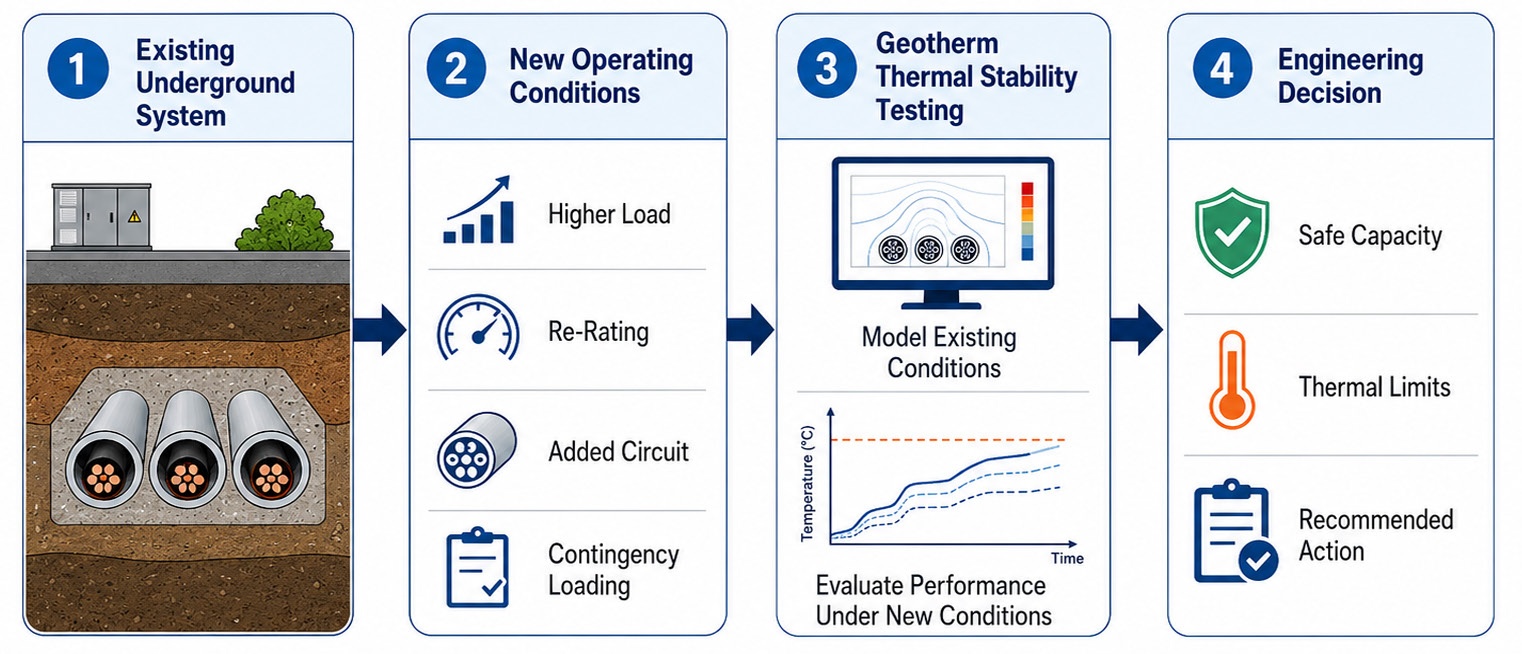
Geotherm provides THERMAL STABILITY TESTING to evaluate how existing underground cable systems will perform under new operating conditions.
When Conditions Change, Performance Can Change
Electrical engineers are often asked to evaluate underground systems under new conditions such as:
- Higher loads
- Contingency loading
- Circuit re-rating
- Added circuits
- Changes in duct bank or burial conditions
- Variations in soil or thermal backfill properties
These changes can affect cable temperature, ampacity, reliability, and service life.
Thermal Stability Testing Helps Evaluate Risk
Geotherm performs scale model testing of existing soil conditions under the new operating loads to support the decision-making process when determining:
- Whether the system can safely support increased load
- How soil/backfill conditions affect performance
- What factors may be limiting capacity
- Whether mitigation or redesign is required